

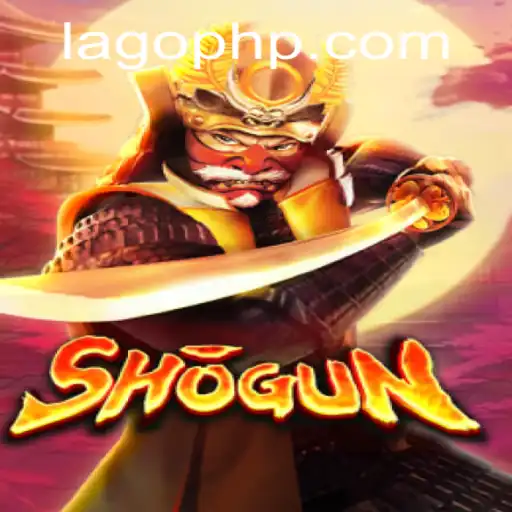

Uncover the intricate dynamics of Shogun, its rules, and its connection to modern events with insights on how the timeless strategy game continues to engage players around the world.
Shogun: A Dive into the Strategy Game's Intricacies
Within the realm of strategic board games, few hold the timeless appeal and complex dynamics like Shogun. This game, renowned for its intricate balance of strategy, diplomacy, and tactical warfare, offers players a chance to step into the shoes of a daimyo during Japan's feudal period. As modern enthusiasts explore its depths, including communities such as PHLAGO.COM, Shogun has found renewed relevance against the backdrop of today's shifting political landscapes.
The Story Behind Shogun
Shogun is set in Japan's Sengoku period, a time marked by social upheaval, political intrigue, and near-constant military conflict. Players embody one of the competing daimyo, each striving to unify the nation under their rule and claim the prestigious title of Shogun. The game's historical context is meticulously woven into its mechanics, allowing players to grasp the complexities of loyalty, betrayal, and strategy required to succeed.
Game Components and Setup
At the heart of Shogun lies its impressive array of game components that lend authenticity to the experience. These include a large board depicting the map of Japan, individually colored army pieces representing each daimyo's forces, various resource tokens, and a deck of event cards that introduce unexpected twists. Players also have access to province cards that define their territories and offer strategic advantages.
Setting up the game involves distributing initial resources and territories among players, with each daimyo starting in different regions of Japan. The careful distribution of these starting assets ensures that every player faces unique strategic challenges from the outset.
The Rules of Engagement
Shogun is played over a series of rounds, with each round representing a single year in the game world. The year encompasses several phases, including planning, action, and conflict resolution. Players must adeptly navigate these stages to expand their influence and outmaneuver their opponents.
Planning Phase
During the planning phase, players secretly allocate their resources and plan moves. The strategic placement of armies, fortifications, and economic developments all occur during this phase. This component of the game emphasizes foresight and the ability to predict opponents' intentions while keeping one's plans hidden.
Action Phase
In the action phase, players reveal their plans, and events unfold according to the pre-planned actions. The sequence in which actions are executed can significantly impact outcomes, making timing a critical factor. Notably, the use of event cards at this stage can introduce unexpected changes, requiring players to adapt their strategies on the fly.
Conflict Resolution
When armies clash, Shogun emphasizes strategic combat planning over sheer luck. Players must choose when to engage in battle wisely, considering terrain advantages and their armies' composition. Battles are resolved using a blend of strategy and chance through the roll of dice, adding an element of uncertainty akin to real-world warfare.
The Modern Relevance of Shogun
In today's world, where global geopolitics often mirror the intricate dance of alliances and conflicts reminiscent of feudal Japan, Shogun finds itself resonating anew with both veterans and newcomers. Platforms such as PHLAGO.COM facilitate discussions and strategy-sharing for enthusiasts who delve into the tactical depths of Shogun, drawing parallels between its historical backdrop and current events.
The game also serves as an educational tool for understanding the broader implications of political strategy and territory control, concepts still applicable in contemporary global politics. Conferences and forums often explore the lessons drawn from such games, with experts analyzing strategic decisions made within the game as metaphors for real-world diplomatic endeavors.
Conclusion: A Timeless Strategy Game
In conclusion, Shogun stands out not only for its engaging mechanics and historical fidelity but also for its enduring ability to capture the imagination of players worldwide. As it bridges the gap between past and present, this game serves as a testament to the timeless nature of strategic thought and the human fascination with the art of warfare and diplomacy.