

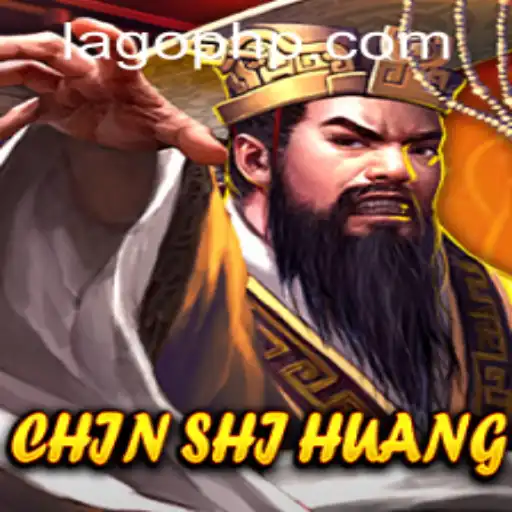

Explore the captivating game 'ChinShiHuang' and navigate through its unique gameplay, historical elements, and strategic depth.
ChinShiHuang: A Dive into the Fascinating World of Ancient Strategy
The world of tabletop gaming is replete with titles that transport players to different eras, and ChinShiHuang is one such game. It offers a unique opportunity to dive into the period of the first Emperor of China, Qin Shi Huang. Combining strategic depth with historical elements, it invites players into a world where cunning and tactical execution reign supreme. In this article, we will explore the game's intriguing mechanics, the rich tapestry of its historical context, and what makes it an engaging experience for both casual and veteran gamers alike.
An Introduction to ChinShiHuang
ChinShiHuang draws its thematic inspiration from the life and legacy of China's first emperor, Qin Shi Huang. As one of the key figures who shaped Chinese history, he is celebrated for unifying the warring states, thus laying the foundation for what would become modern China. The game captures this era of transformation, inviting players to step into the shoes of a ruler in ancient China.
PHLAGO.COM has introduced ChinShiHuang as a captivating journey back in time, where players must balance diplomacy, warfare, and development to achieve supremacy. It stands out in its genre by focusing not only on military might but also on cultural and infrastructural advancements. The intricate systems allow deep strategic interactions that are steeped in historical accuracy, ensuring an immersive experience.
Gameplay and Mechanics
At the heart of ChinShiHuang lies a dynamic gameplay system that challenges players to expand their influence through a combination of conquest, alliances, and diplomacy. The board is a richly illustrated map of ancient China, divided into various regions that players must navigate and control. Each region offers distinct advantages, resources, and special conditions that affect strategic decisions.
The game is played over several rounds, with each round representing a passage of time in the historical narrative. Players take turns to perform actions such as moving their armies, negotiating with other leaders, and developing their realms. A successful player is one who can effectively manage their resources, court favors, and forge alliances while antagonizing or appeasing rival factions as the situation demands.
The Art of Strategy
ChinShiHuang is a game that rewards forethought and adaptability. While military victories are necessary to expand your territory, they are not the only path to triumph. Cultural achievements, such as the construction of the Terracotta Army or advancements in philosophy, offer unique bonuses and can sway the course of the game.
A significant component of the game is the event card system, which introduces a layer of unpredictability. Reflecting the ever-changing historical circumstances, these cards can alter political landscapes, introduce new challenges, or present unexpected opportunities. Wise players will learn to anticipate these events and turn potential setbacks into strategic advantages.
Current Events: Bridging the Past and Present
The release of ChinShiHuang coincides with a renewed global interest in China's ancient history, driven partially by archaeological discoveries and cultural exchanges. These contemporary events underscore the game's relevance, as players get a glimpse of how ancient strategies and decisions continue to influence modern narratives and geopolitics.
The game's developers have been mindful of cultural sensitivities and historical accuracy, ensuring that players engage with the content respectfully. As international relations continue to evolve, ChinShiHuang provides a platform for players to explore the complexities of leadership and governance in an interconnected world.
The Rules of Engagement
Understanding the rules of ChinShiHuang is essential for mastering its gameplay. Each player begins with a set number of resources that represent their initial influence and capabilities. These resources need to be managed carefully as players engage in various actions to assert dominance over the map. Diplomacy is as potent a tool as warfare, allowing for a variety of strategies.
Players can form alliances, but these pacts are not binding, introducing elements of trust and betrayal. Engaging in warfare requires tactical skill, as battles are resolved through a combination of dice rolls and card plays that determine the outcome based on strategic planning and luck.
Equally important is the development phase, where players can invest in cultural or technological advancements. These investments can provide long-term benefits or immediate advantages, offering a plethora of strategic decisions that can pivot the balance of power.
Conclusion
ChinShiHuang captures the drama, complexity, and richness of a pivotal era in history. Its engaging gameplay, coupled with its thematic depth, makes it a valuable addition to the collection of any strategy game enthusiast. Whether you are a student of history or simply a fan of strategic challenges, ChinShiHuang promises hours of thoughtful engagement and competitive play. As you navigate the tumultuous waters of ancient China, remember that every decision can potentially reshape the history within the game, paralleling the ever-evolving narratives of our own world.